What clinical criteria misses and payer-specific risk reveals.
A risk score flags severity. It doesn't tell you if a payer will approve it, where documentation falls short, or what to do next. Phare Utilization Management connects clinical evaluation, denial risk, documentation gaps and quantified recommendations across the full stay to help teams prevent denials before they happen, not appeal them after.
Why R1
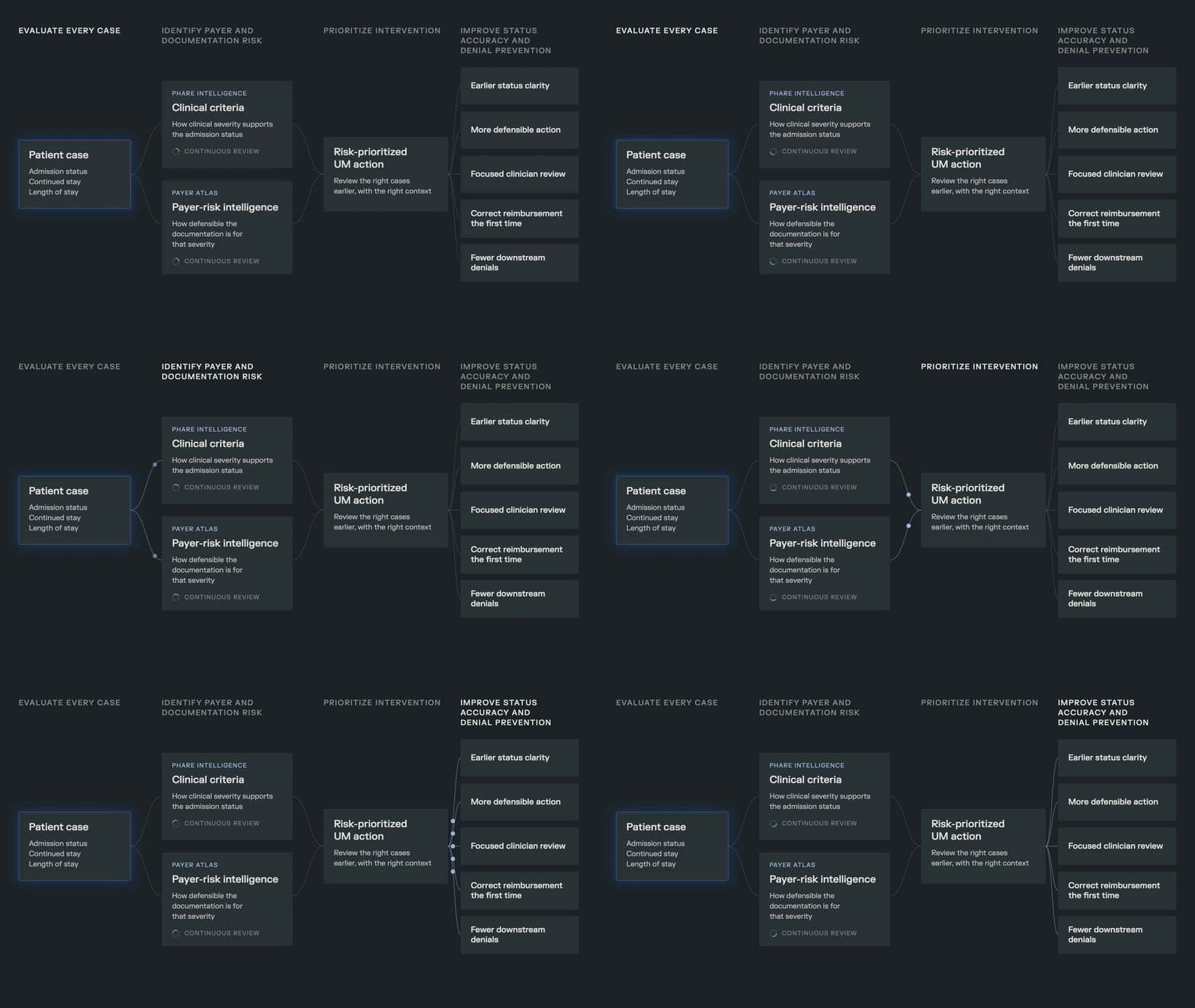
Every encounter. Continuously evaluated.
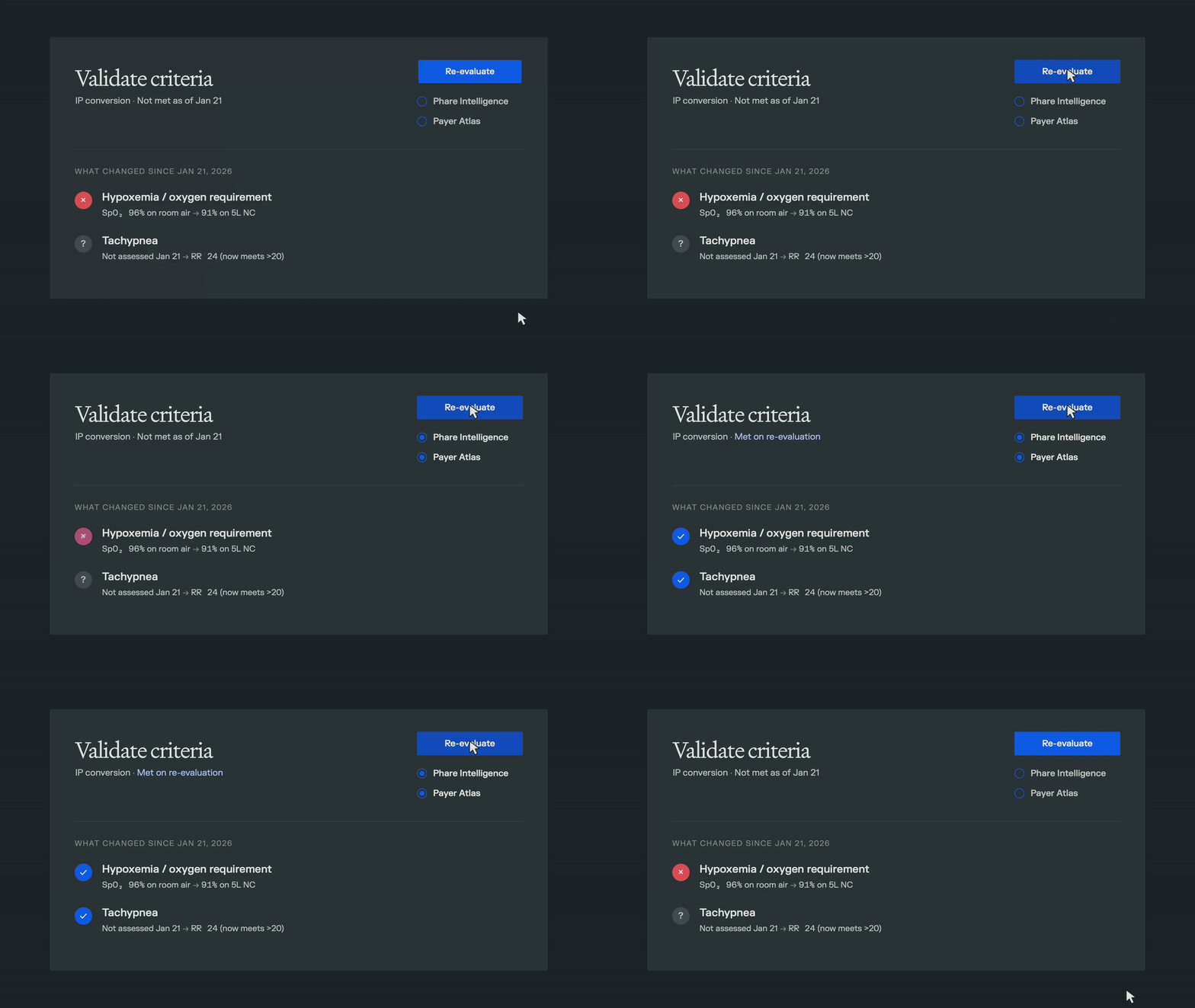
Clinical evidence and payer-specific risk, evaluated together.
Evaluate clinical evidence and payer-specific risk through distinct lenses in real-time to reveal where a case may still be vulnerable to downstream denial.
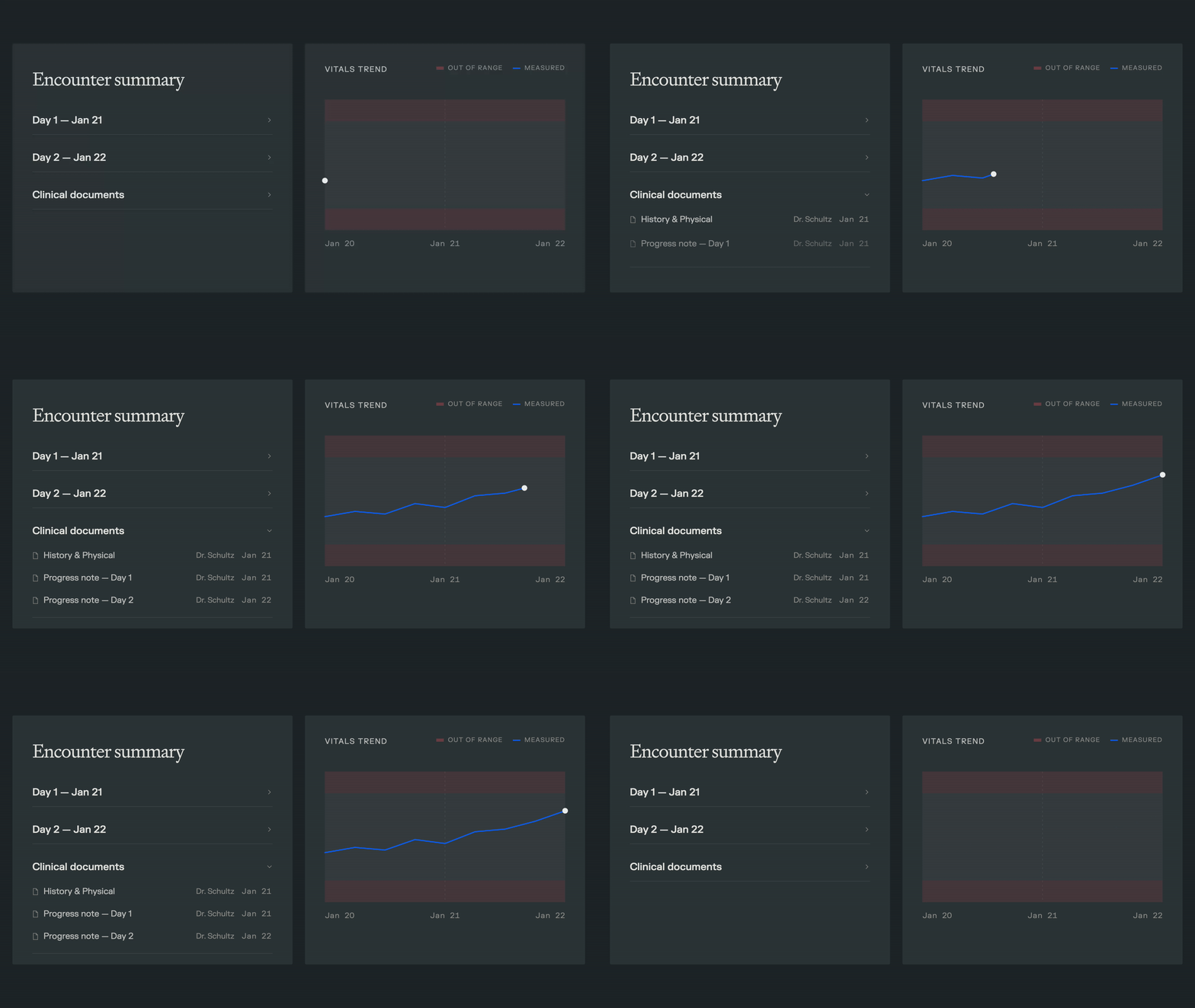
100% review, from admission to discharge.
Continuously review every case to surface clinical complexity and payer-specific risk as the record changes.
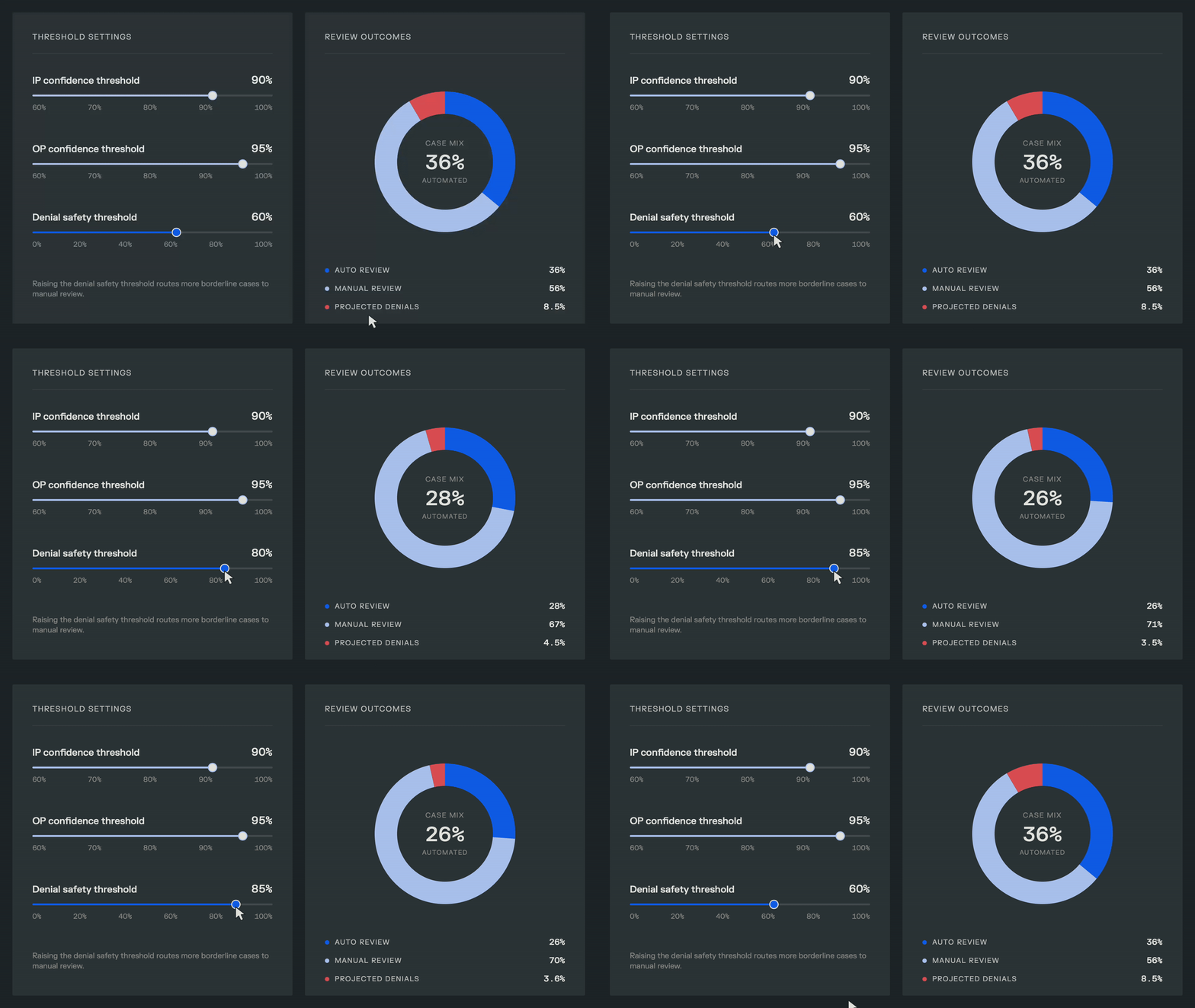
Guidance calibrated to your environment.
Built around your health system. Guidance reflects your payer mix and denial tolerance — not a generic default.
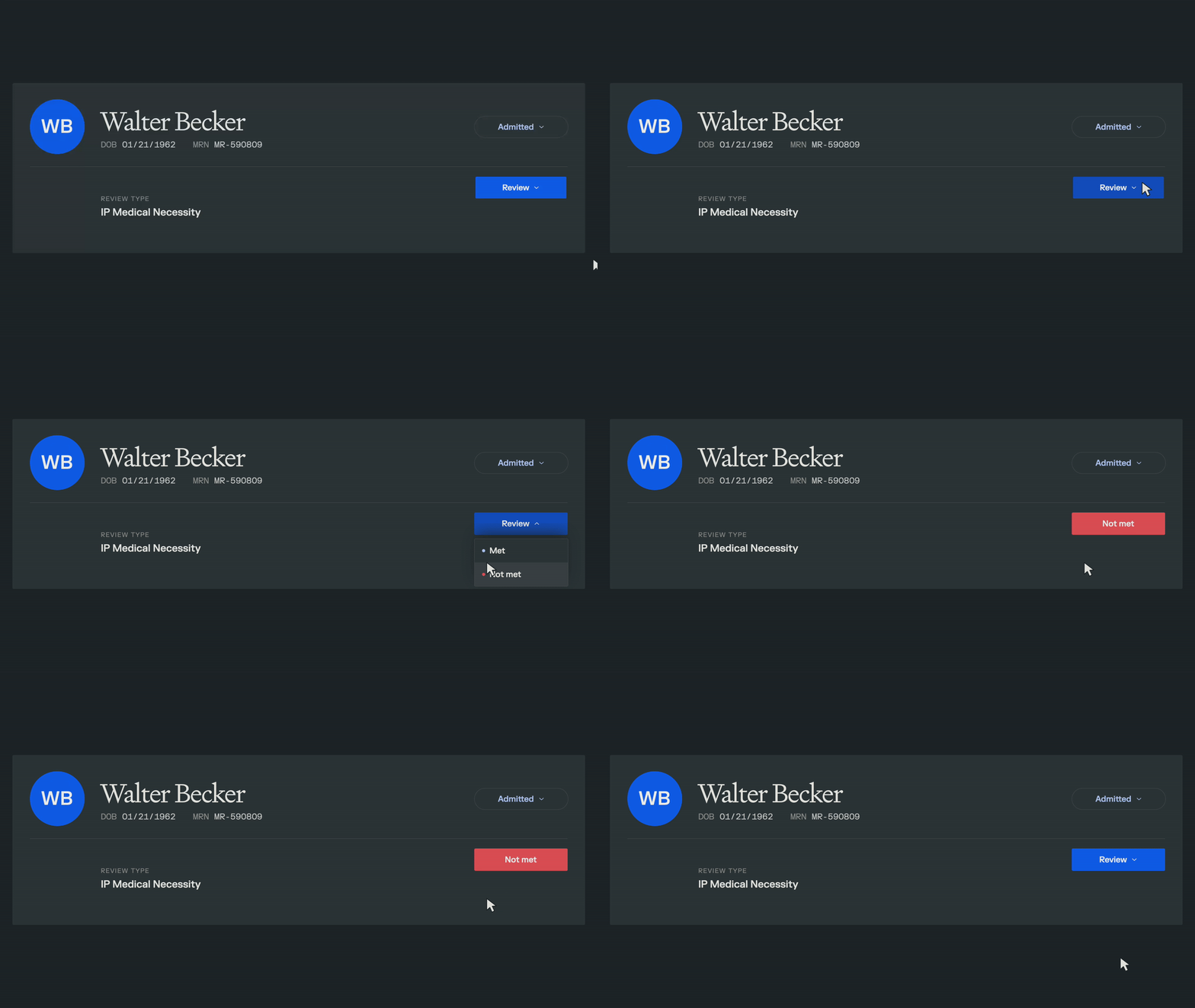
Where AI and clinical expertise meet.
Identify which cases carry real risk, extending how many your team can meaningfully cover. The recommendation is a starting point — a clinician decides what happens next.
The Guthrie Clinic is among the first health systems adopting Phare UM to enhance utilization management processes and proactively address denial risk.
Beyond clinical criteria: see the payer risk that clinical scores miss.
In a retrospective analysis of a multi-state health system's open inpatient denial inventory, Phare UM helped teams identify the clinical nuance to get it right the first time and the evidence to win the appeal when they don't — driving fewer medical necessity denials, reduced revenue leakage, and stronger clinician productivity.
69% vs. 99% for score-based tools
Confidence ≠ correctness
On the same denied inpatient population, a common scoring UM tool called 99% “safe to bill inpatient.” Phare UM flagged only 69%, catching nearly 30 more points of real denial risk pre-billing.
41% of open denied AR
Insights that prevent, not just predict
Applied retrospectively to the health system’s open denial inventory, Phare UM surfaced documentation-level risk insight on 41% of the balance, the population a proactive workflow would resolve pre-bill.
Evidence-based from general assertion to cited proof
Sharper evidence when appeal is needed
On accounts still requiring appeal, Phare UM adds sourced clinical criteria and regulatory citations, turning a general necessity claim into a two-pronged case payers can’t easily dismiss.
In a sample assessment for one customer, Phare UM found that approximately 65% of observation encounters should have been billed as inpatient status.
Powered by Phare OS. Clinically grounded. Connected across the patient stay.

AI-enabled utilization review and continued-stay support

Physician second-level review

Payer peer-to-peer support

Medical necessity appeals
Meet our experts
Meet the experts advancing utilization management


Move from broad review queues to earlier, risk-informed action.
Powered by Phare OS, R1's AI-native revenue operating system, built to learn from real-world outcomes across the revenue cycle to continuously sharpen recommendations.
Download the Phare Utilization Management solution overview

See how R1 approaches intelligent UM
Get a shareable overview of how R1 combines AI-enabled case review, payer intelligence and clinical expertise to help UM teams prioritize complex cases and support defensible decisions.
Latest trends and expert analysis


Ready to learn more?
